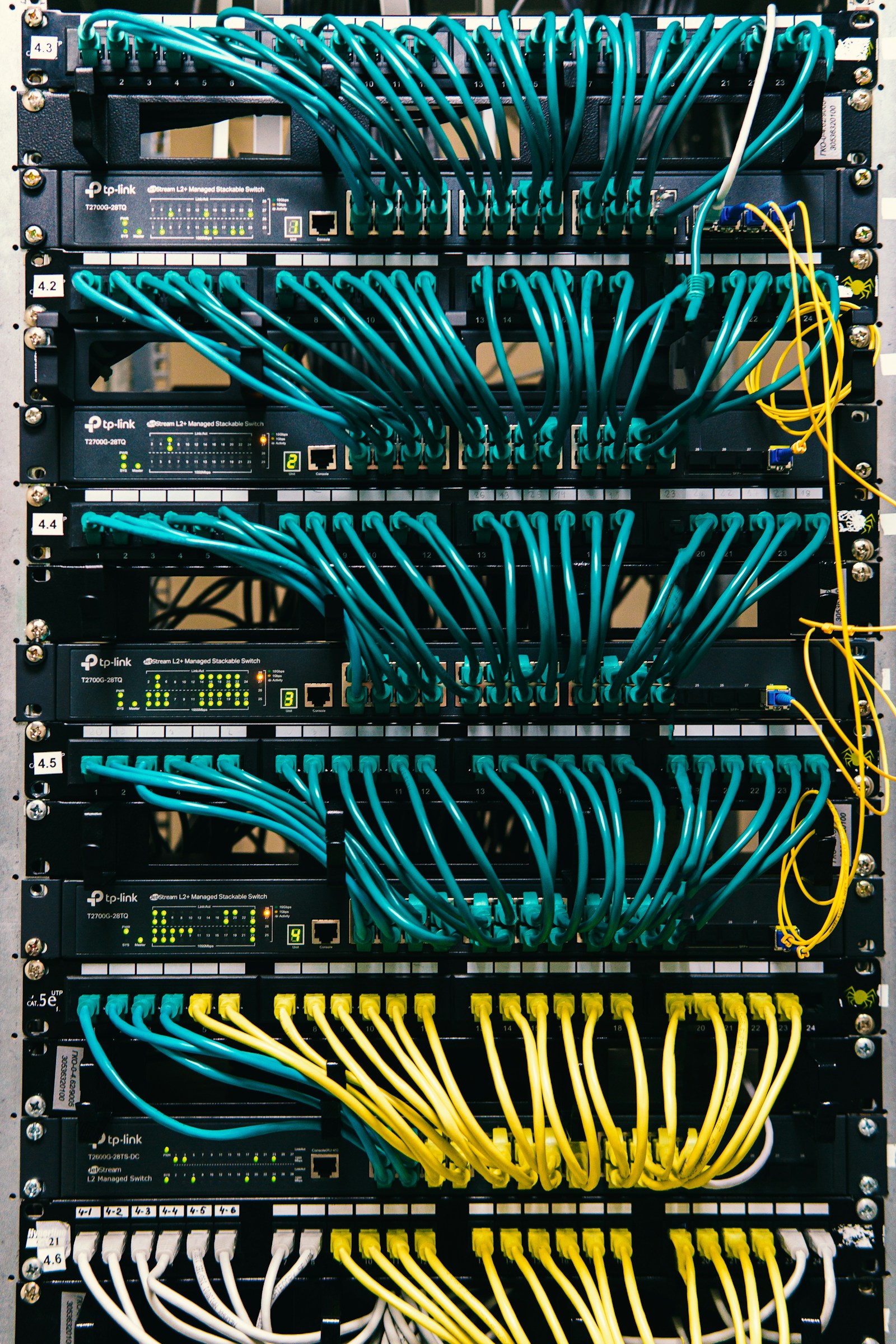
Power does not prove that work can finish
Consider a hypothetical branch cabinet protected by an uninterruptible power supply. During an outage the server stays on, but an access switch uses an ordinary socket and staff cannot submit orders. This illustrates dependencies, not a customer case. Delivery acceptance and a healthy battery indicator do not prove that the business path survives a power transition. JOTOglobal recommends selecting a critical task, mapping its user devices, network, application and storage dependencies, then identifying the power arrangement for each component.
The business owner decides which tasks must continue briefly, which may stop accepting work before orderly shutdown, and which have manual alternatives. Facilities explains site power conditions; operations identifies startup and shutdown dependencies. Define the acceptable business state, recovery checks and decision authority, rather than only a runtime in minutes. Sites, loads and equipment condition differ, so a headquarters test is not a promise for every branch.
Separate the control objective from the local design
PE-11 in NIST SP 800-53 Revision 5 addresses an uninterruptible power supply supporting orderly system shutdown or transition to long-term alternate power after loss of primary power. This is a control objective, not a universal legal rule, a brand prescription or a runtime guarantee. The inventories, exercises, responsibilities and acceptance steps here are independent JOTOglobal recommendations. Qualified personnel should confirm capacity, wiring and transfer arrangements against the site design.
Retain capacity labels, current load observations, maintenance records and site findings separately, with dates, sources and exclusions. Rated specifications do not replace measurements in the current environment; a past self-test does not prove every present connection is correct. If labels are unclear, batteries show faults, maintenance is overdue or records conflict, facilities and the supplier should investigate first. Ordinary IT staff should not rewire live equipment or create an outage merely to obtain test evidence.
Verify dependencies and actual connections
Operations builds a mapping from tasks to equipment, recording service, asset ID, cabinet location, power path, management interface, owner and last review. Trace actual connections to check switches, firewalls, identity services and storage against the intended protection scope. Facilities should verify upstream paths even for dual inputs; two plugs alone do not establish independence. Mark uncheckable remote or supplier systems as unverified rather than hiding responsibility boundaries behind a green status.
Check management and notification paths as well. Explain whether power alerts traverse network equipment that could fail first, whether duty staff can inspect status within their permissions, and whether shutdown automation depends on a service that may already be unavailable. Tickets should retain connection evidence and open issues. Store sensitive management addresses and account details in controlled systems; do not expose full network details in general reports or share passwords for convenience.
Approve the exercise and its stop conditions
The test owner obtains agreement from business, facilities, operations and suppliers on scope, window, on-site attendance and communication. Prefer supported self-tests, simulated alerts or an isolated environment to examine notification, action and recovery. A test involving an actual power transfer requires separate authorization and qualified personnel following the site plan; this article gives no unplugging procedure. Electrical safety and fire response take priority. Stop the exercise on abnormal conditions and hand control to the site lead.
Record the normal state and rollback conditions before testing. Identify in-flight work, appropriate data protection and who can pause new requests. Treat missing alerts, uncertain remaining capability, failed shutdown commands and loss of site contact as stop or escalation conditions, rather than continuing to complete a form. Give each condition a contact, next action and recheck evidence. Resolve unmet prerequisites first; postponement is more controlled than an unprepared production test.
Accept tasks and evidence, not only indicators
Acceptance combines technical records with business confirmation. Capture test type, environment, assets, observed load, alert time, acknowledging person, actions, outcome and exclusions on a time-zone-labelled timeline. The business owner checks approved representative tasks for continued operation, safe stopping or recovery; operations checks application and data state. A healthy indicator, delivered alert and recovered business task are different evidence and do not substitute for one another.
After recovery, inspect duplicate tasks, unfinished transactions and abnormal logs. Power restoration does not justify resubmitting every request. Check the actual outcome of in-flight work in external systems before deciding to retry. If no actual power transition occurred, conclusions cover the notification and workflow only, not resilience of the whole power path. The acceptance owner signs the covered scope and assigns owners, completion conditions and retests for remaining issues.
Make changes trigger another review
Reassess load and dependencies after adding equipment, moving cabinets, replacing batteries, changing circuits or redesigning critical services. Previous acceptance does not automatically remain valid. Facilities retains supplier inspection records, operations maintains service mappings and duty paths, and the business owner reviews recovery objectives. Set review intervals from equipment guidance, site changes and risk. This article sets no universal interval and treats no single passing test as a lasting zero-outage guarantee.
Complete a loop at one site, from business objectives and connection checks through authorized exercises to acceptance and remediation. Reuse the method elsewhere while retaining site differences. A transferable result consists of an owned dependency inventory, a workflow with explicit execution limits and reviewable records. When documentation, capability or safety conditions are insufficient, state that the scope remains unverified and organize remediation. This supports continuity decisions better than reporting only that equipment is running.
Sources
NIST SP 800-53 Rev.5, PE-11: Emergency Power